
Property Valuation in Tanzania

Property Valuation in Tanzania: How Much Is Your Property Worth?
Property is one of the most valuable assets that individuals, businesses and institutions own. Whether you are planning to sell a house, purchase land, apply for a bank loan, assess an investment or understand the value of an existing property, having a reliable estimate of its current market value is important.
In Tanzania, property prices can vary considerably even between properties located in the same area. A house on a well-connected road may have a different value from a similar house on a smaller access road. Likewise, two plots of the same size can have very different values because of their location, accessibility, permitted use, surrounding development and potential for future development.
This is why property valuation should not be based simply on the price advertised on a property website or the amount a neighbouring property owner is asking. A professional valuation considers the individual characteristics of the property, available market evidence and the circumstances of the local property market.
At Danvast Land & Property, we understand that property owners are not simply looking for a number. They want to understand what their property is worth, why it has that value and how that information can support an important financial or investment decision.
What Is Property Valuation?
Property valuation is the professional process of estimating the value of land, buildings or other interests in real estate at a particular date and for a specific purpose. The valuation is based on an assessment of the property and an analysis of relevant market information.
The type of valuation required depends on why it is being undertaken. A property owner who wants to sell may require an opinion of market value to help establish an appropriate asking price. A bank may require a valuation before accepting a property as security for a loan. A company may need a valuation for financial reporting, while an investor may require one to assess whether a proposed property investment represents reasonable value.
A valuation therefore begins with understanding the purpose of the assignment. The purpose helps determine the scope of work, the information required, the valuation approach and the way the final report should be prepared.
A professional valuation is also different from an informal property estimate. An estimate may be based on general market knowledge or advertised prices, whereas a valuation involves a structured process of inspection, research, analysis and professional judgement.
How Much Is My Property Worth in Tanzania?
One of the most common questions property owners ask is, “How much is my property worth?” Unfortunately, there is no single rate that can be applied to every property in Tanzania.
The value of a property depends on a combination of factors, including its exact location, land size, building size, construction quality, age, condition, accessibility, available infrastructure, legal characteristics, market demand and potential use.
For example, two houses may both have four bedrooms and similar floor areas, but one may be located close to a major road with reliable utilities and better neighbourhood amenities. The other may have limited access, an older structure and fewer services. Applying the same rate to both properties would not necessarily produce a reliable indication of value.
The same principle applies to land. A 1,000-square-metre plot does not have the same value everywhere. Its value may depend on whether it is located in an established residential area, a commercial location, a developing suburb, a tourism destination or an area with significant future development potential.
Property Value and Asking Price Are Not the Same
This distinction is particularly important for property owners who are preparing to sell.
An asking price is the amount a seller chooses to advertise a property for. It may reflect the owner's expectations, the amount invested in the property, advice received from others or the seller's preferred negotiation strategy. It does not necessarily represent the price that the property would achieve in an open and properly informed transaction.
Property websites and online listings can nevertheless be useful sources of market information. They can help identify properties being offered in a particular area and provide an indication of current seller expectations.
However, advertised prices should be analysed carefully. Properties can differ in size, condition, documentation, location, access and development potential, and some properties may remain on the market for a long period without achieving the advertised price.
A professional valuer therefore looks beyond the headline asking price and considers the quality and relevance of available comparable evidence before reaching a conclusion.
What Factors Affect Property Value in Tanzania?
Location
Location remains one of the most important factors influencing property value. However, location should be considered at a detailed level rather than simply by looking at the name of a city or district.
A valuer may consider the exact position of the property, quality of access roads, proximity to major roads, availability of utilities, nearby commercial and residential development, security, schools, employment centres and other amenities.
For properties in tourism and coastal markets, additional factors may be relevant. A beachfront or waterfront position, views, accessibility to tourist attractions and potential for hospitality use can have a significant influence on value.
Land Size and Characteristics
The size of the plot is important, but it is only one part of the assessment.
The shape of the land, road frontage, topography, accessibility, existing services, planning considerations and development potential may all influence its value. A smaller plot in a highly sought-after location may therefore be worth more than a larger plot in an area with weaker demand.
Where development is being considered, the potential use of the land becomes particularly important. A valuer needs to consider whether the proposed use is physically possible, legally permissible and financially realistic.
Building Size, Quality and Condition
For developed property, the building is another major component of value. The assessment may include the size of the building, accommodation, architectural design, construction materials, quality of finishes, age and current condition.
Maintenance is also important. A property that has been well maintained may have a different market position from a similar property requiring significant repairs or renovation.
Recent improvements should also be disclosed to the valuer. However, owners should not automatically assume that every amount spent on renovation will increase the property's market value by the same amount. The market determines how much buyers are willing to pay for those improvements.
Accessibility and Infrastructure
Access to a property can have a direct effect on its attractiveness to buyers and investors. Reliable road access, electricity, water and other infrastructure can make a property more useful and marketable.
For development land, infrastructure can also affect the feasibility and cost of a proposed project. A property with good access and existing services may therefore have an advantage over a similar property where significant infrastructure investment would be required.
Income Potential
For investment and commercial property, the ability to generate income can be an important consideration.
Rental apartments, offices, shops, warehouses, hotels and other income-producing properties may be assessed partly on their current and potential income. Relevant information can include rental levels, occupancy, operating expenses, lease arrangements and the quality and sustainability of income.
This means that a commercial property cannot always be valued in the same way as an owner-occupied residential house.
Development Potential
Some properties are valuable because of what can potentially be developed on the land rather than simply because of the existing building.
For example, an older house on a large strategically located plot may have potential for redevelopment into apartments, offices, commercial premises, villas or a hospitality project.
Development potential should not, however, be treated as guaranteed value. Planning requirements, permitted land use, physical constraints, construction costs, market demand and financial feasibility all need to be considered.
How Is Property Valuation Done in Tanzania?
A professional valuation normally follows a systematic process.
The first stage is to establish the purpose of the valuation and understand what property interest is being assessed. The valuer then collects available information about the property, which may include ownership documents, plot details, survey information, building plans, rental information and details of previous improvements.
A physical inspection is normally an important part of the assignment. During the inspection, the valuer assesses the land, buildings, access, services, condition, accommodation and other characteristics that may affect value.
The next stage involves market research and analysis. Relevant properties are identified and assessed as comparable evidence where appropriate. The valuer considers differences between the subject property and the comparables rather than simply copying advertised rates.
Finally, the appropriate valuation approach is applied and the conclusion is documented in a valuation report. The report should explain the purpose of the valuation, the property being assessed, the information considered, the methodology used, relevant assumptions and the final opinion of value.
What Valuation Methods Are Used?
The market comparison approach is commonly used where sufficient comparable property evidence is available. It involves analysing similar properties and making appropriate adjustments for differences in location, size, condition, use and other characteristics.
The income approach can be useful for properties that generate rental or operating income. The analysis may consider the income that the property produces or could reasonably produce, together with relevant expenses and investment considerations.
The cost approach considers the cost associated with providing similar improvements, with appropriate consideration of depreciation and the value of the underlying land where relevant. It can be particularly useful for specialised properties or situations where reliable comparable evidence is limited.
For development land, a residual or development approach may sometimes be appropriate. This considers the potential development, expected revenue, development costs, professional fees, financing, timing, risk and other relevant assumptions. Because the result can be sensitive to changes in these assumptions, careful analysis is required.
The appropriate approach depends on the property and the purpose of the assignment. There is no single valuation method that is automatically the best for every property.
Why Online Property Prices Are Not Enough
Many property owners begin their research by searching Google or property websites. This is a sensible starting point, but online prices should be treated as market information rather than automatically accepted as market value.
An advertised property may have been priced above the owner's realistic expectation of what buyers will pay. Another property may have a lower asking price because the owner needs a quick sale. Properties may also differ significantly in documentation, condition, access and development potential.
This is particularly relevant in markets where reliable information about completed transactions is not always publicly available. Research concerning property valuation in Zanzibar has highlighted challenges associated with limited transaction data and the importance of location and professional analysis when assessing property values.
For this reason, a professional valuer needs to assess the available evidence critically rather than simply selecting the highest or lowest advertised property and applying its rate to another property.
How Much Does Property Valuation Cost in Tanzania?
The cost of property valuation varies according to the nature and complexity of the assignment.
Factors that may affect the fee include the type of property, location, size, number of properties, purpose of the valuation, inspection requirements, market research involved and reporting requirements.
A standard residential property is likely to require a different level of work from a large hotel, shopping centre, industrial facility or development project.
The most practical way to obtain a valuation quotation is to provide the valuer with the property location, approximate size, property type and purpose of the valuation. This allows the scope of work to be understood before a fee is proposed.
What Is Included in a Property Valuation Report?
A professional property valuation report should provide more than a final figure.
Depending on the purpose and scope, the report may include information about the valuation instructions, valuation date, property identification, location, land, buildings, ownership information, inspection findings, market conditions, comparable evidence, methodology, assumptions and the final valuation conclusion.
Photographs, plans and supporting information may also be included where appropriate.
A good report should enable the intended reader to understand how the valuation was undertaken and why the final conclusion was reached. The strength of a valuation therefore lies not only in the number stated at the end of the report, but also in the quality of the analysis supporting that number.
Property Valuation for Mortgage and Bank Loans
Banks and other financial institutions may require a property valuation before accepting real estate as security for a loan.
The valuation helps the lender understand the estimated value and market characteristics of the property being offered as collateral. The lender may then consider the valuation together with the borrower's financial position, lending policy, loan-to-value requirements and other risk factors.
It is important to understand that the valuation figure is not necessarily the amount that a bank will lend. A valuation provides an assessment of the property; the final lending decision remains with the financial institution.
Property Valuation Before Selling
Obtaining a valuation before putting a property on the market can help an owner make a more informed pricing decision.
Many owners determine their asking price based on what they originally paid, the cost of construction, the highest price they have seen online or what another property owner has told them. These factors may be useful considerations, but they do not necessarily reflect current market value.
A professional valuation provides an independent reference point. The owner can then decide how to position the property in the market, taking into account the valuation, current competition, expected negotiation and the desired selling strategy.
For high-value properties, the difference between an informed pricing strategy and an unrealistic asking price can represent a substantial amount of money and time.
Property Valuation in Zanzibar
Zanzibar has a distinctive property market that includes residential properties, luxury villas, beachfront properties, hotels, resorts, commercial developments and land with tourism and development potential.
The value of a property in Zanzibar may be influenced by its exact location, access, proximity to the coast, beachfront position, tourism activity, infrastructure, surrounding development and potential for residential or hospitality use.
A beachfront villa, for example, should not automatically be valued using the same rate as an inland residential property simply because the two buildings have a similar floor area. The location and associated market demand can make a substantial difference.
For this reason, local market knowledge and careful analysis of relevant comparable properties are particularly important when undertaking a property valuation in Zanzibar.
Land Valuation in Tanzania
Land valuation requires careful consideration of both the physical characteristics of the land and its potential use.
The valuer may assess the plot size, location, access, shape, infrastructure, surrounding development, permitted use, planning considerations and available market evidence.
Development potential can be especially important. A plot located in an area experiencing rapid commercial or residential growth may have a different value from a similar plot in an established but less active market.
Land should therefore not be valued simply by taking the plot area and multiplying it by a general rate without considering the specific characteristics of the site.
House Valuation in Tanzania
When determining the value of a house, both the land and the building need to be considered.
Important factors include the location, plot size, building area, number of rooms, construction quality, age, condition, access, parking, security, utilities and the characteristics of surrounding properties.
The valuer will also consider relevant comparable properties where suitable evidence is available.
A house valuation is therefore more than calculating the construction cost. The market ultimately determines what buyers are willing to pay for the property in its particular location and condition.
What Should You Prepare Before Requesting a Valuation?
Property owners can make the valuation process more efficient by preparing the information they already have.
Useful information may include ownership documents, title information, plot details, survey plans, building plans, property location, rental agreements, information about recent improvements and previous valuation reports.
It is also important to explain why the valuation is required. A valuation for selling a property may have different requirements from one intended for mortgage financing, insurance, accounting or another professional purpose.
If some documents are not available, the owner should discuss this with the valuer rather than assuming that the valuation cannot be undertaken.
Seven Questions to Ask Before Hiring a Property Valuer
Before instructing a valuer, it is reasonable to ask what the valuation will cover and how the work will be undertaken.
Ask whether the purpose of the valuation has been clearly established, what property interest will be valued and what valuation date will apply. You can also ask what market evidence will be considered and which valuation approach is likely to be appropriate.
It is useful to understand who the intended user of the report will be, particularly where the valuation is being prepared for a bank or another institution. The report should meet the requirements of its intended purpose.
Finally, ask what will be included in the valuation report and whether there are any important assumptions, limitations or information requirements that you should be aware of before the assignment begins.
Common Mistakes Property Owners Make
One common mistake is choosing the highest advertised property as the main comparable because it produces a higher valuation. A more reliable assessment considers several relevant properties and examines the differences between them.
Another mistake is assuming that construction cost automatically determines current market value. A property may have cost a significant amount to construct but still have a lower market value if demand in its location is weak.
Property owners should also avoid assuming that every square metre of land has the same value. Location, access, permitted use, infrastructure and development potential can all affect land value.
Finally, a valuation should not be confused with legal due diligence. A valuation assesses value; ownership, title and other legal matters should be independently verified through the appropriate professional and official channels.
Get a Professional Property Valuation in Tanzania and Zanzibar
If you are planning to sell a property, purchase land, apply for financing, assess an investment or simply need an independent opinion of the current value of your property, professional valuation can provide a useful basis for making an informed decision.
Danvast Land & Property provides professional property valuation services for residential, commercial, land, investment, development and other real estate assets in Tanzania and Zanzibar.
To request a valuation quotation, provide the property location, property type, approximate size and purpose of the valuation. Our team can review the requirements and advise you on the appropriate next step.
Contact Danvast Land and Property for professional property valuation services in Tanzania and Zanzibar.
News insight
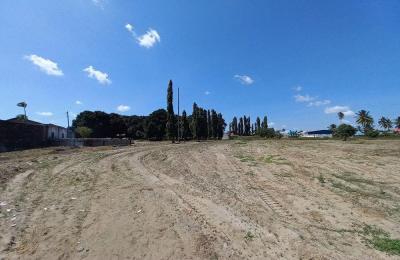 Oct 02, 2026
 Land Acquisition in Tanzania by Non-Citizens: Transfer of Titled Property and Investment Land
Learn how foreigners can acquire land in Tanzania through property transfer, Derivative Rights, TISE...
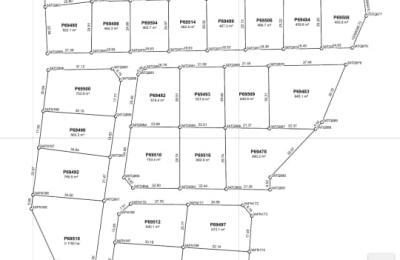 Feb 14, 2026
 How to Verify Land Title in Tanzania: Legal Procedure, Institutional Review, and Modern Verification Systems
Land verification in Tanzania is a legal process grounded in statutory law and administered through...
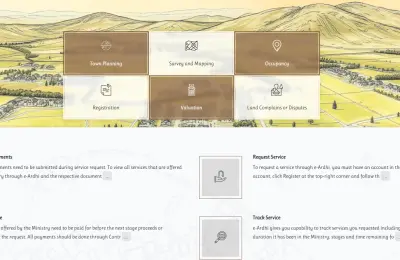 Dec 23, 2025
 Tanzania e-Ardhi System 2025: An In-Depth Guide to Digital Land Services, NIDA Registration, and Online Applications
A detailed guide to Tanzania’s e-Ardhi system explaining NIDA registration, online land title applic...